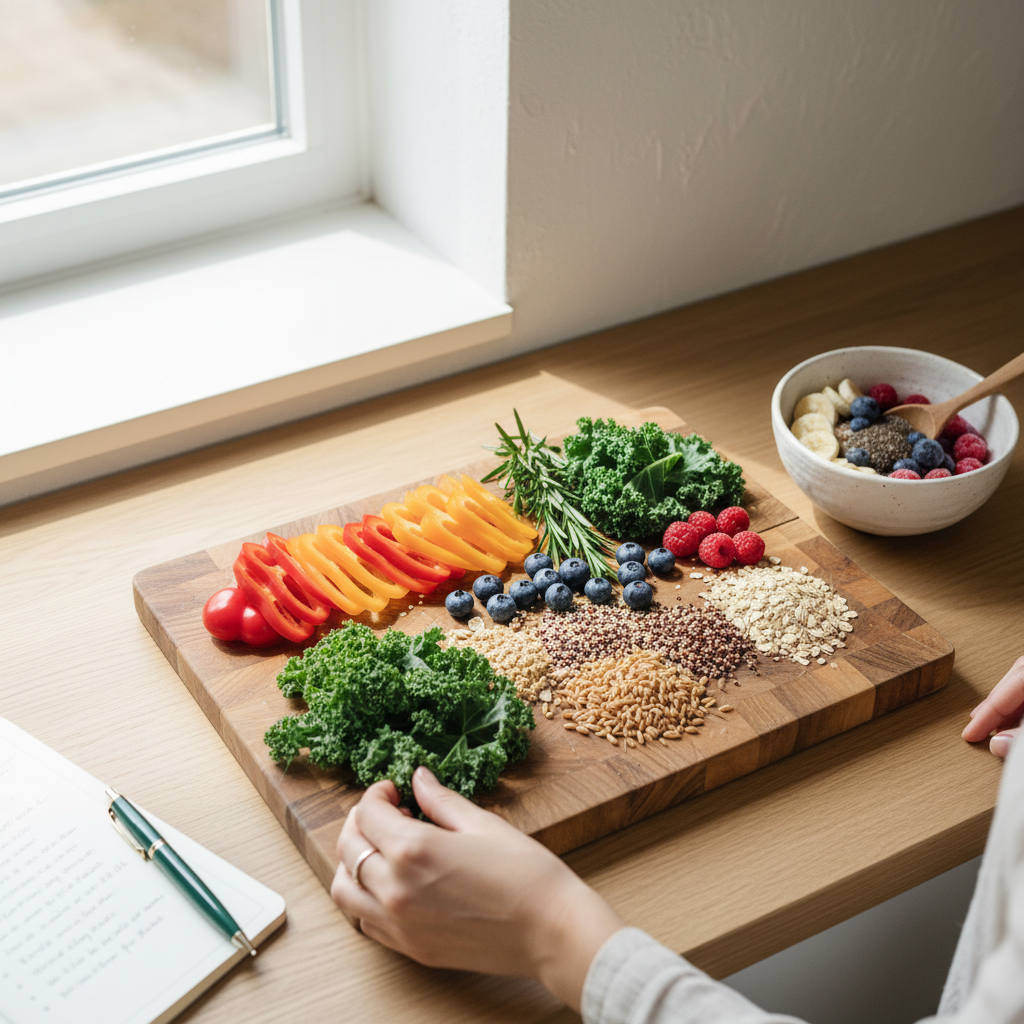
A gut health roadmap autoimmune women beginner guide focuses on repairing the intestinal lining through the 4R protocol and a personalized elimination diet. This strategy involves removing inflammatory triggers like gluten while prioritizing stress management to restore both immune and hormonal balance. By addressing root causes instead of seeking quick fixes, women can build a diverse microbiome and achieve sustainable autoimmune symptom relief.
Living with an autoimmune condition often feels like a constant battle against your own body, especially when you are navigating the persistent fog of fatigue, bloating, and unpredictable flares. While most advice suggests a quick fix, true restoration requires understanding that your gut serves as the primary command center for your immune system. For women, this delicate ecosystem is further influenced by hormonal shifts, making a generic approach ineffective for long-term health. This guide offers a structured roadmap designed specifically for beginners. You will learn the essential 5 Rs of gut healing, why jumping straight to supplements often backfires, and how to implement a sustainable anti-inflammatory framework. We will also examine the intersection of hormones and gut health, providing a clear seven-day action plan to help you regain control and build a resilient foundation for your recovery.
Understanding the Connection Between Your Gut and Autoimmune Health
Navigating life with an autoimmune condition often feels like an exhausting cycle of trial and error. I understand this personally because I have successfully managed Crohn’s disease for years by refining my own lifestyle. When you are searching for a gut health roadmap autoimmune women beginner friendly guide, you must first understand the biological bridge between your digestion and your immune system.
Groundbreaking research by Dr. Alessio Fasano has demonstrated that intestinal permeability, commonly known as leaky gut, is a necessary precursor to developing many autoimmune responses. When the tight junctions in your intestinal lining become compromised, undigested food particles and toxins escape into the bloodstream. Your immune system identifies these as foreign invaders, triggering a state of chronic inflammation that can eventually lead to the body attacking its own tissues.
For women over 40, this connection is further complicated by the hormonal shifts of perimenopause. Fluctuating estrogen and progesterone levels significantly impact gut motility and the integrity of the mucosal barrier, often making symptoms feel more unpredictable. As a certified gut health specialist, I see how these systems interact daily. My goal is to provide expert health and wellness support that addresses these complexities, helping you develop personalized wellness routines that restore balance to your body. Understanding this fundamental link is the first step toward reclaiming your energy and health.
Phase 1: Why Most Beginners Fail by Jumping Straight to Supplements
When starting a gut health roadmap autoimmune women beginner friendly journey, the most common pitfall is rushing to the supplement aisle. It is tempting to believe that a specific probiotic or expensive herbal complex is the silver bullet for autoimmune inflammation. However, focusing on these details before establishing a lifestyle foundation is focusing on the minutia at the expense of the core.
True healing begins with nervous system regulation and quality sleep. Many individuals overlook the critical role of psychology and stress in digestive health. When you live in a state of chronic stress, your body remains in a persistent "fight or flight" response. In this sympathetic state, blood flow is diverted away from the digestive tract and the production of protective mucus decreases. This prevents the mucosal lining from repairing itself, regardless of how many supplements you take or how "clean" your diet is.
As an expert providing expert health and wellness support, I emphasize that your body cannot prioritize cellular repair while it feels under threat. Establishing personalized wellness routines that include restorative sleep and mindfulness isn't just a bonus addition; it is a biological requirement for gut restoration. Without addressing the underlying stress response, the internal environment remains too hostile for long term recovery. Before you look for a pill to fix the problem, you must first signal to your body that it is safe to heal.
The 5 Rs of Gut Healing for Women with Autoimmune Conditions
Once you have stabilized your nervous system and signaled safety to your body, you can begin the systematic process of restoration. The 5 R framework is a clinical standard used by a certified gut health specialist to guide individuals through the complexities of intestinal repair. This structured approach ensures that you are not just treating symptoms, but rebuilding the environment where your immune system resides.
Remove: This step involves identifying and eliminating the factors that contribute to chronic inflammation. We focus on common dietary triggers, specifically gluten and dairy, which are known to mimic body tissues in many autoimmune responses. However, removal also includes addressing biological pathogens such as yeast overgrowth, parasites, or bacterial imbalances like SIBO that keep the immune system on high alert.
Replace: As women navigate the hormonal shifts of their 40s, the production of essential digestive secretions often wanes. This phase focuses on adding back what is missing to ensure proper nutrient absorption. This might include supplemental digestive enzymes, bile acids, or hydrochloric acid (HCL) to help your body break down fats and proteins efficiently.
Reinnoculate: Restoring a diverse microbiome is essential for long term immune modulation. We introduce beneficial bacteria through high quality probiotics and nourish them with prebiotic fibers. For women with sensitive systems, this must be done gradually to avoid triggering a flare or causing significant bloating.
Repair: To seal the intestinal lining and address permeability, we must provide the building blocks for cellular regeneration. This involves targeted nutrients such as L-glutamine, an amino acid that serves as primary fuel for the cells lining the small intestine. Incorporating collagen-rich bone broth and zinc carnosine can further soothe and strengthen the mucosal barrier.
Rebalance: Sustainable health requires expert health and wellness support to maintain lifestyle equilibrium. This final R focuses on the lifestyle factors discussed in Phase 1: sleep hygiene, mindful movement, and emotional regulation. By creating personalized wellness routines that prioritize these pillars, you ensure that the physiological repairs you have made can be sustained. This framework provides the essential gut health roadmap autoimmune women beginner seekers need to move from reactive management to proactive healing.
Phase 2: Transitioning to an Anti-Inflammatory or AIP Diet Framework
Applying the 5 R framework requires a structured dietary approach to be effective. For many navigating a gut health roadmap autoimmune women beginner path, the Autoimmune Protocol (AIP) serves as the gold standard for identifying hidden triggers. This is not a permanent restriction, but a temporary reset designed to calm the immune system and allow the intestinal lining to repair.
During this phase, you should prioritize nutrient-dense, whole foods that provide the biological building blocks for healing. High-quality proteins and fats are the foundation of this framework. To help you organize your kitchen, consider this breakdown of what to prioritize and what to set aside during the elimination phase:
Food Category | Focus on Including | Temporarily Exclude |
|---|---|---|
Proteins | Grass-fed beef, wild-caught fish, poultry | Soy-based proteins, processed meats |
Vegetables | Leafy greens, carrots, squash, broccoli | Nightshades (tomatoes, peppers, potatoes) |
Starches & Grains | Sweet potatoes, cassava, plantains | Wheat, corn, rice, oats, legumes |
Fats | Avocado, olive oil, coconut oil | Seed oils (canola, sunflower), dairy |
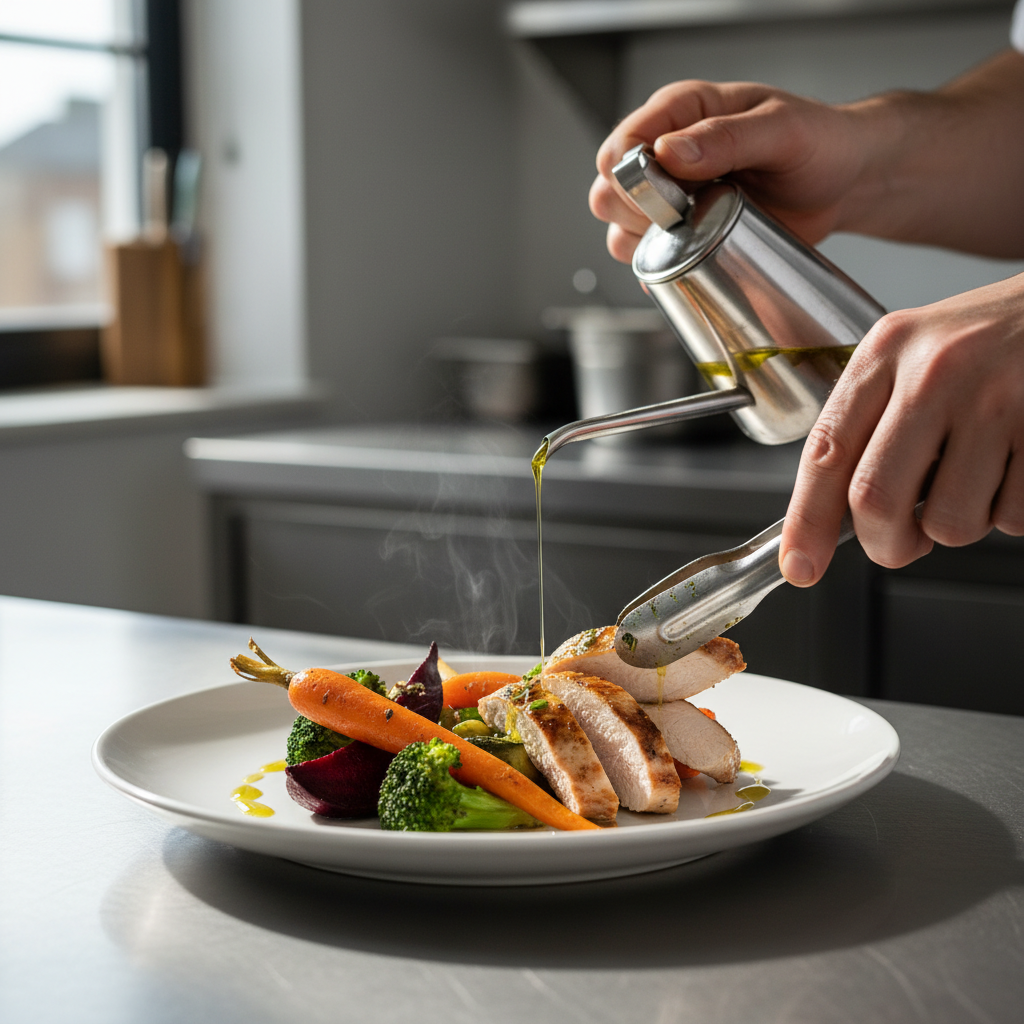
A critical insight I often share as a certified gut health specialist is to avoid consuming too many raw vegetables initially. While large salads are often viewed as the pinnacle of health, raw fiber is physically abrasive and difficult to break down for a compromised digestive tract. To support your personalized wellness routines, focus on steaming, sautéing, or roasting your vegetables. Cooking breaks down tough plant fibers, making the vitamins and minerals more bioavailable while reducing the workload on your gut.
Sourcing these high-quality ingredients is easier when you utilize our local Columbus community. I frequently recommend the North Market or the Worthington Farmers Market for organic produce and pasture-raised meats. Utilizing these local resources ensures you are getting the freshest nutrients possible, which is a cornerstone of expert health and wellness support. By focusing on well-cooked, anti-inflammatory foods, you provide your body the space it needs to move from a state of reactivity to one of recovery.
Common Roadblocks: Why Your Gut Healing Journey May Feel Slow
Even with a structured plan, progress on a gut health roadmap autoimmune women beginner journey rarely follows a straight line. It is natural to feel frustrated when symptoms do not vanish overnight. A helpful rule of thumb used by practitioners is to expect at least one month of dedicated healing for every year you have felt unwell. If you have struggled with chronic inflammation for a decade, your body requires significant time to rebuild its cellular foundations.
A significant roadblock is relying on a one-size-fits-all protocol. Many generic programs ignore the unique hormonal landscape of women over 40. Without personalized wellness routines that account for your specific thyroid function or estrogen levels, a standard diet might only offer temporary relief. Another common pitfall is failing to uncover the root cause. You might be eating a perfect AIP diet, but if an underlying bacterial overgrowth or a high toxic load remains unaddressed, the immune system will stay reactive.
As a certified gut health specialist, I encourage you to remain patient with your body. Deep-seated symptoms, particularly autoimmune fatigue, are often the last to lift because they require the most systemic repair. Healing is a biological process that cannot be rushed. By seeking expert health and wellness support to identify your specific triggers, you move beyond guesswork and toward sustainable vitality.
Phase 3: A 7 Day Action Plan to Reset Your Gut Naturally

Moving from theory into practice is often where the most resistance occurs. To simplify this transition, I have designed a manageable seven day schedule to kickstart your gut health roadmap autoimmune women beginner journey. This week is not about perfection; it is about establishing the rhythm required for long term success.
Day | Action Item | Focus Area |
|---|---|---|
1 | Pantry Clean-Out | Remove inflammatory oils, refined sugars, and gluten-containing snacks. |
2 | Hydration Habit | Start the morning with 8 ounces of warm lemon water to stimulate bile production. |
3 | Local Movement | Take a 10 minute walk at the Scioto Mile or a local Columbus park to lower cortisol. |
4 | Batch Cooking | Prepare a large pot of mineral-rich bone broth to support your intestinal lining. |
5 | Mindful Eating | Eat every meal without the distraction of a phone or television. |
6 | Micro-Dose Probiotics | Introduce one tablespoon of a fermented food, such as raw sauerkraut. |
7 | Reflection | Review how your body felt and prepare a grocery list for the following week. |
By Day 3, you are physically engaging with the Columbus environment to support your nervous system. Low impact movement, like strolling through Bicentennial Park or Highbanks Metro Park, helps transition your body into the rest and digest state necessary for healing. On Day 4, making your own broth provides the essential amino acids I recommend as a certified gut health specialist to help seal the gut barrier.
As you progress through Day 5 and 6, you are practicing expert health and wellness support on yourself. These personalized wellness routines replace overwhelm with small, repeatable victories. This structured week creates a foundation that makes the biological repairs discussed in the previous phases possible without the stress of a total lifestyle overhaul.
The Role of Hormones in the Autoimmune Gut Connection
For women navigating their 40s and beyond, any effective gut health roadmap autoimmune women beginner strategy must account for the profound influence of sex hormones. Estrogen serves a protective role for the intestinal barrier; its decline during perimenopause can increase permeability and heighten systemic inflammation. Simultaneously, progesterone levels impact the smooth muscle contractions of the digestive tract. When these hormones fluctuate, gut motility often slows, which can lead to the bacterial overgrowth that triggers autoimmune flares.
Standard medical protocols often treat these systems as separate entities, ignoring the critical feedback loops between your endocrine system and your microbiome. As a certified gut health specialist, I understand that true healing requires looking at the whole person rather than just the symptoms. By offering expert health and wellness support that bridges the gap between hormonal health and gastroenterology, I help you move past generic advice. Building personalized wellness routines that synchronize your dietary choices with your specific hormonal profile ensures that your transition through menopause supports, rather than hinders, your immune health.
Navigating gut health while managing an autoimmune disease is a journey that requires patience and persistence. By focusing on nourishing foods and mindful habits, you can create a strong foundation for lasting healing. If you find yourself wanting expert help to tailor these steps to your unique needs, I am here to support you. You can learn more About my approach and how we can work together to reclaim your vitality. Healing is possible, and you do not have to do it alone.