
Inflammaging is chronic, low-grade inflammation that often increases as estrogen levels decline during perimenopause and menopause. To combat inflammaging, women over 40 should focus on eating an anti-inflammatory diet, engaging in regular exercise, and managing stress levels. These proactive lifestyle choices help reduce systemic inflammation and lower the risk of age-related chronic health conditions.
If you have noticed that your recovery from exercise takes longer, your skin has lost its youthful luster, or your energy levels dip unexpectedly, you are likely experiencing more than just the passage of time. For women over forty, these subtle shifts often signal the onset of inflammaging. This state of chronic, low-grade systemic inflammation accelerates during the transition into perimenopause as protective estrogen levels begin to decline. Understanding this biological phenomenon is essential; it serves as the underlying driver for many age-related health concerns that impact your quality of life. In this guide, we will examine the critical link between hormonal health and inflammation, explore the hidden role of the gut microbiome, and outline a practical anti-inflammatory protocol. You will discover specific dietary strategies, targeted supplements, and lifestyle adjustments designed to silence the internal fire and support vibrant longevity.
What is Inflammaging and Why Does it Accelerate After 40?
Most of us think of inflammation as a temporary response to injury, such as the redness and swelling of a sprained ankle. This is acute inflammation, and it is a necessary part of the healing process. However, as we age, a different and more insidious process takes hold. Known as inflammaging, this is a chronic, low-grade, and sterile state of inflammation that persists without a specific injury or infection to fight. It acts as a slow-burning cellular fire, quietly damaging tissues and organs over time.
For women, the age of 40 marks a significant physiological crossroads. This is when metabolic changes and the initial shifts of perimenopause begin to converge, creating a perfect storm for systemic inflammation. Having managed Crohn’s disease through strategic lifestyle adjustments, I have seen firsthand how inflammation behaves when it is not properly regulated. It is not just about discomfort; inflammaging is a primary driver for age-related concerns, including cardiovascular issues, metabolic dysfunction, and cognitive decline.
Research indicates that this persistent inflammation accelerates the biological aging process. Unlike the sharp pain of an injury, this silent inflammation often goes unnoticed until symptoms like persistent fatigue or joint stiffness arise. By seeking expert health and wellness support, women can navigate these shifts effectively. Understanding the intersection of gut health and women’s hormones is essential during this decade, as these systems are the primary regulators of our inflammatory response. Recognizing this turning point is the first step toward optimizing your healthspan and protecting your long-term vitality.
The Menopause Connection: How Estrogen Decline Triggers Inflammation
The transition into perimenopause is often the primary catalyst for inflammaging women over 40. While we frequently focus on estrogen’s role in reproduction, its most vital function as we age is acting as a natural anti-inflammatory agent. Estrogen essentially serves as the body’s "volume dial" for the immune response. When levels are optimal, it keeps inflammatory signals low and manageable. As we enter the perimenopausal transition and estrogen begins its erratic decline, the body loses this protective buffering, allowing the volume of systemic inflammation to surge.
This biological shift is not just a change in hormones; it is a fundamental redirection of how your immune system behaves. Scientific research highlights that lower estrogen levels correlate with a measurable increase in pro-inflammatory cytokines, specifically IL-1, IL-6, and TNF-alpha. These chemical messengers signal the body to stay in a state of high alert, even in the absence of a localized injury. This shift answers the common question: can perimenopause trigger inflammation? The answer is a definitive yes, and it is often the underlying cause of the new, unexplained symptoms that arise in your 40s.
The rise in these cytokines manifests in ways that are often mistaken for general aging or stress. Joint pain, sometimes referred to as "menopausal arthritis," occurs because estrogen helps maintain joint fluid and protects cartilage from breaking down. Brain fog is another hallmark of this transition, frequently resulting from neuroinflammation where the lack of estrogenic protection affects cognitive processing and memory. Even skin changes, such as increased dryness or a sudden loss of elasticity, are driven by this inflammatory process damaging the skin’s structural proteins.
By understanding the intersection of gut health and women’s hormones, we can see how these systems work in tandem to either fuel or extinguish this cellular fire. This hormonal decline makes it essential to seek expert health and wellness support to implement strategies that mimic the protective effects estrogen once provided, ensuring that the inflammatory "volume dial" remains under control.
While hormonal shifts initiate the process, the gut serves as the primary engine driving these changes forward. Within your microbiome resides a specific community of bacteria known as the estrobolome. This collection of microbes is responsible for producing beta-glucuronidase, an enzyme that metabolizes and recirculates estrogen back into your system. As you enter your 40s, a decline in microbial diversity can impair the estrobolome, further depleting the already dwindling estrogen levels needed to suppress inflammation.
This imbalance, or dysbiosis, often leads to increased intestinal permeability, commonly referred to as leaky gut. When the tight junctions of the intestinal lining weaken, inflammatory triggers such as lipopolysaccharides (LPS) and undigested food particles escape into the bloodstream. The immune system identifies these as foreign invaders, triggering a continuous, low-grade immune response. This internal leak is a significant contributor to the systemic fire of inflammaging women over 40 experience, often manifesting as digestive upset, skin flare-ups, or joint stiffness.
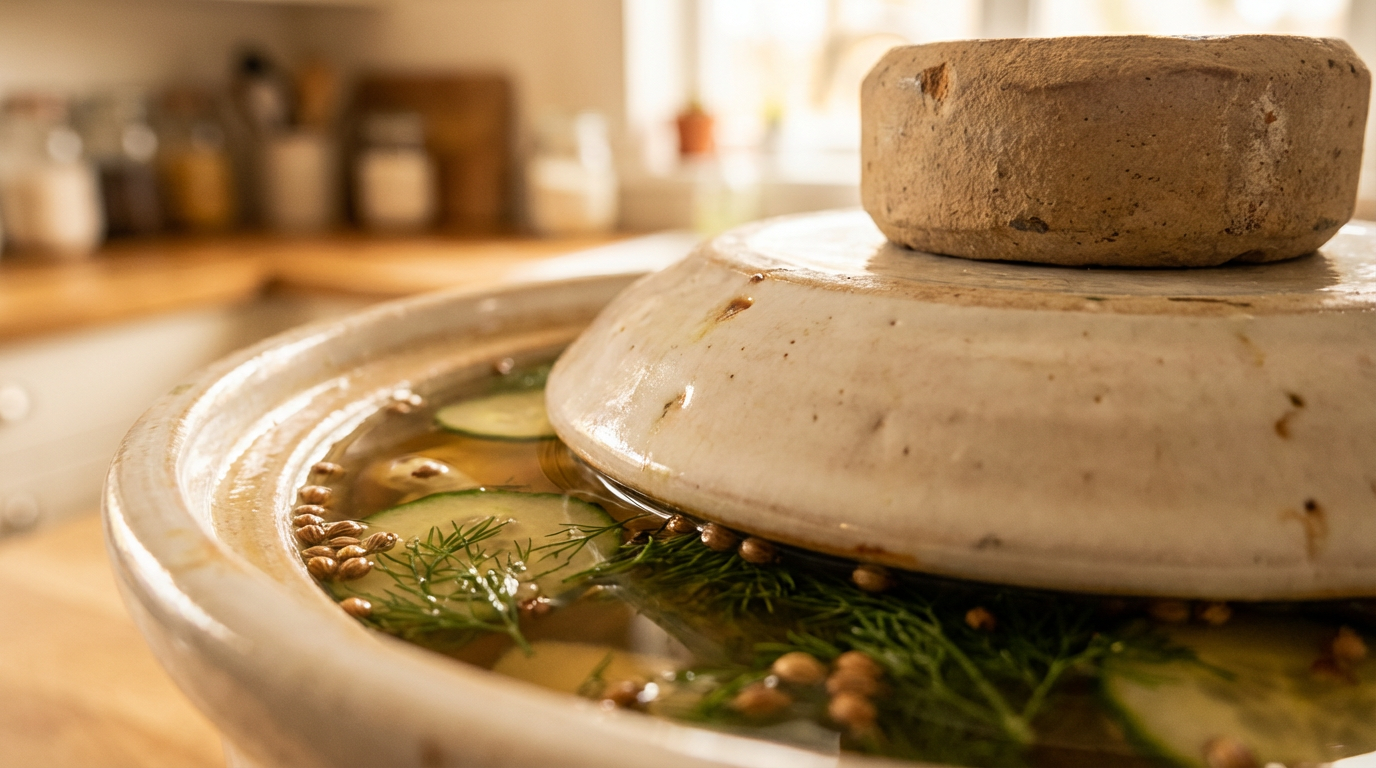
To repair the gut barrier and support gut health and women’s hormones, you must move beyond generic advice and focus on fiber diversity. Aiming for 30 different plant-based foods each week provides the varied fuel necessary for a robust microbiome. Incorporating fermented foods, such as unpasteurized sauerkraut or locally made kefir, introduces beneficial live cultures that help crowd out pro-inflammatory bacteria. These practical adjustments provide the expert health and wellness support your body requires to maintain a resilient gut lining and cool the inflammatory response from the inside out.
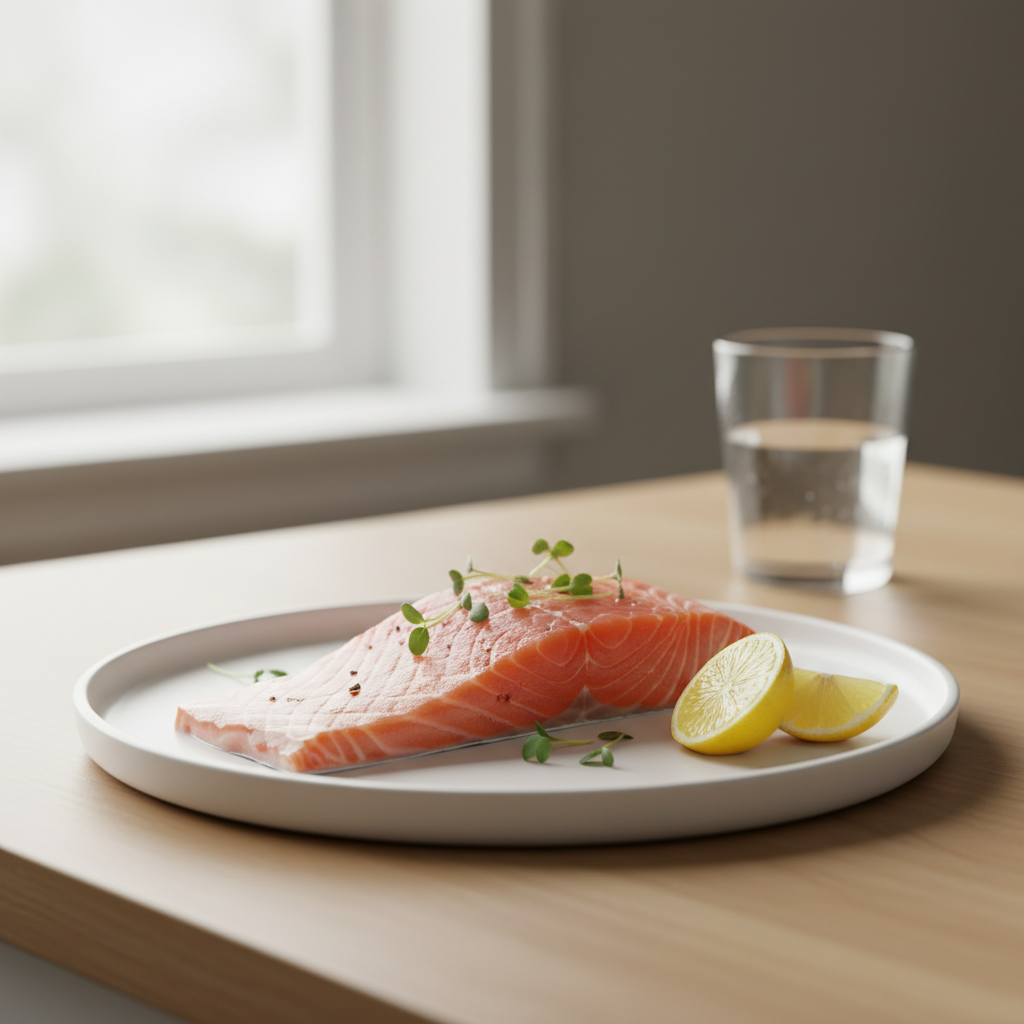
While the Mediterranean diet is often cited as the gold standard for longevity, its principles are most effective when adapted to our local Pacific Northwest landscape. For inflammaging women over 40, this means shifting the focus from restrictive dieting toward nutrient density that supports metabolic health and skin resilience. Start by prioritizing wild caught salmon sourced from local BC waters; these cold water fish are powerhouses of omega 3 fatty acids, which are essential for dampening systemic inflammation. Pair your proteins with a vibrant array of phytonutrients found in Fraser Valley berries, such as blueberries and blackberries, which provide the high antioxidant load necessary to combat oxidative stress.
Focusing on additions rather than subtractions allows you to naturally crowd out pro-inflammatory triggers. By filling your plate with colorful, fibrous vegetables, you reduce the space for ultra processed sugars and refined seed oils, which are the primary drivers of cellular damage. This colorful approach provides expert health and wellness support by supplying the building blocks for collagen and stable blood sugar. When you integrate these local whole foods, you directly influence the intersection of gut health and women’s hormones, ensuring your body has the raw materials needed to maintain a youthful, anti-inflammatory state during perimenopause and beyond.
Best Supplements for Inflammaging and Hormonal Support
Dietary changes provide the foundation, but targeted supplementation acts as a strategic intervention to quiet the systemic fire. For inflammaging women over 40, specific nutrients help bridge the gap left by declining estrogen levels. Curcumin is a cornerstone of this approach. As a potent bioactive compound, it inhibits the pathways that trigger inflammatory cytokines, providing relief for the joint discomfort and brain fog that often surface during perimenopause.
Omega 3 fatty acids are equally vital for cellular health. While local BC salmon is a dietary staple, therapeutic doses of high quality fish oil help produce resolvins, which are compounds that actively switch off the inflammatory response. Magnesium also plays a critical role by supporting the nervous system and regulating cortisol, preventing stress from further fueling systemic inflammation. Additionally, Vitamin D functions as a key immune modulator; it ensures the body does not overreact to internal triggers as hormonal protection wanes.
Supplement | Primary Benefit for Inflammaging |
|---|---|
Curcumin | Blocks pro-inflammatory signaling pathways and protects joints. |
Omega-3 | Concentrated EPA/DHA to resolve systemic cellular inflammation. |
Magnesium | Calms the nervous system and supports metabolic hormone balance. |
Vitamin D | Modulates the immune response and supports bone density. |
Using these tools effectively requires expert health and wellness support to ensure they align with your unique gut health and women’s hormones. It is essential to consult with a professional to verify that high dose supplements do not interfere with existing medications or underlying health conditions. This personalized approach ensures your supplement routine works in harmony with your biology rather than creating further imbalance.
Combatting Inflammaging Through Movement and Stress Management
Movement is a fundamental tool for quenching the fire of inflammaging, yet the strategy must evolve as we enter our 40s. While the advice to work up a sweat remains vital for cardiovascular health, the intensity requires careful calibration. For inflammaging women over 40, excessive high intensity cardio can be counterproductive, as it often spikes cortisol levels. When cortisol remains chronically elevated, it signals the body to store visceral fat and triggers the very systemic inflammation we are trying to avoid.
Prioritizing resistance training is a more effective approach. Muscle is more than just a source of strength; it is a metabolically active, anti-inflammatory tissue that helps regulate blood sugar and hormone signaling. Complement these sessions with restorative movement that lowers the heart rate and calms the nervous system. A brisk walk along the Vancouver Seawall or a restorative yoga practice helps clear inflammatory markers and promotes recovery after a demanding day.
We must also address stress as a primary driver of cellular damage. Chronic stress desensitizes the immune system to cortisol, leading to runaway inflammation. Incorporating mindfulness into a busy Vancouver lifestyle, perhaps through focused breathing during a transit commute or a short evening meditation, provides expert health and wellness support. These practical shifts ensure your physical routine supports the delicate balance of gut health and women’s hormones rather than placing the body under further strain.
Can You Reverse Inflammaging? Practical Steps for Longevity
Addressing the question of reversal requires a nuanced perspective. While we cannot rewind the biological clock entirely, we can significantly dampen the cellular fire of inflammaging women over 40. The goal is to maximize your healthspan, ensuring that your later years are defined by vitality rather than chronic restriction. By prioritizing expert health and wellness support, you can transition from reactive care to proactive longevity.
Start with small, high impact shifts. Establish a consistent sleep routine of seven to nine hours to allow for cellular repair, or commit to increasing plant variety to support gut health and women’s hormones. These foundational habits act as biological anchors, stabilizing your system against hormonal fluctuations. Taking agency over your inflammatory profile today is the most powerful investment you can make in your future self.
Addressing inflammaging is primarily about making consistent lifestyle choices that support your long-term health. By prioritizing anti-inflammatory nutrition, daily movement, and quality rest, you can significantly reduce the impact of chronic inflammation as you age. While these steps are powerful, everyone's biology is different. If you want expert help navigating your specific health journey, feel free to browse our Blog for deeper insights. We are here to help you achieve the vibrant life you deserve through personalized care and professional guidance.