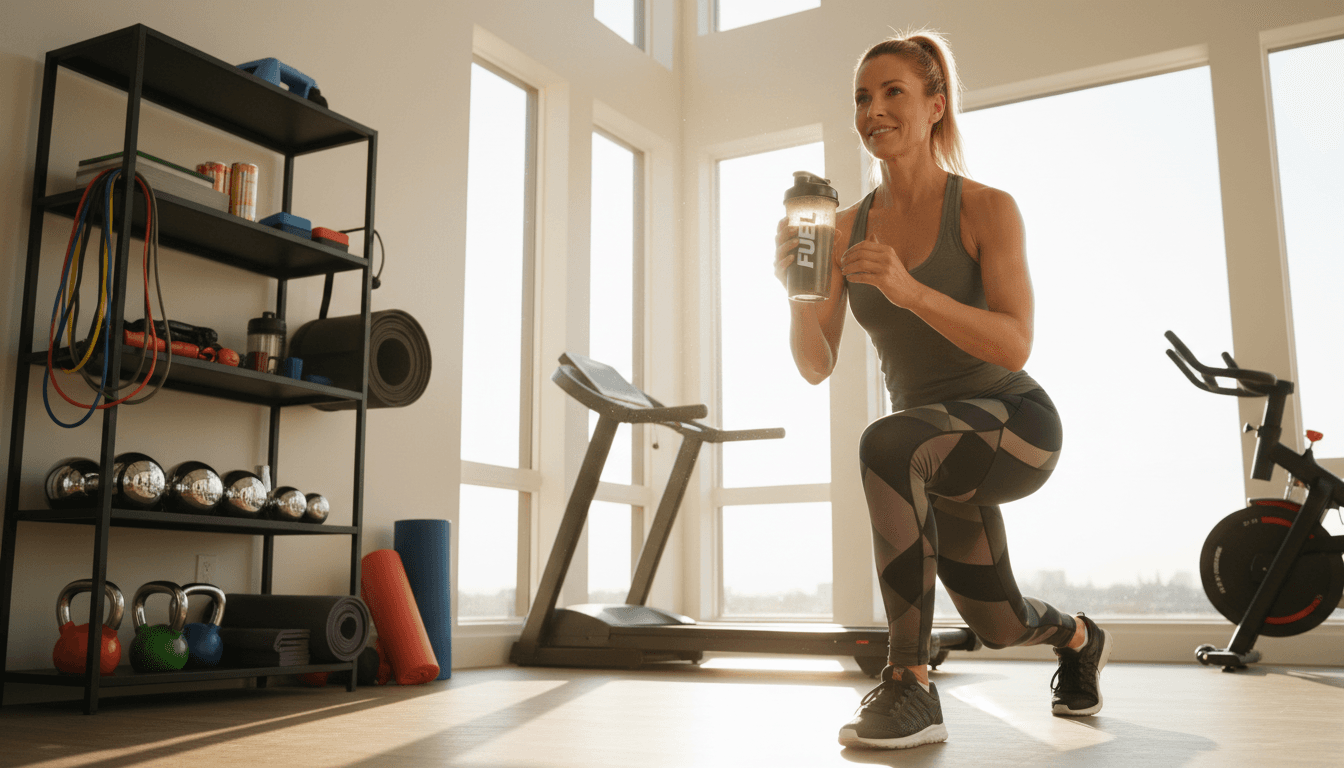
Microdosing GLP-1 for inflammation women over 40 provides a low-dose solution to reduce systemic swelling and manage metabolic shifts during perimenopause. This approach helps lower inflammatory markers and improve insulin sensitivity while minimizing common side effects; it serves as a strategic tool for maintaining hormonal health and physical volume during midlife.
For many women over 40, the transition into perimenopause and menopause brings more than just hormonal shifts; it often introduces a persistent, systemic inflammation that manifests as joint pain, brain fog, and stubborn digestive issues. While GLP-1 medications are frequently discussed in the context of rapid weight loss, their most profound benefit for the mature female body may actually be their ability to regulate the immune system. Microdosing offers a sophisticated, functional approach to managing these inflammatory pathways without the intensity of standard clinical doses. In this guide, we will explore the science of how low-dose GLP-1 therapy can support autoimmune health and gut integrity. You will learn how to navigate a microdosing chart, understand why inflammation peaks during this life stage, and discover why these peptides are a supplement to, rather than a replacement for, a rigorous wellness routine.
Beyond Weight Loss: The Rise of GLP 1 Microdosing for Systemic Health
While mainstream media often frames GLP-1 medications like semaglutide and tirzepatide solely as weight loss tools, a more nuanced understanding is emerging in the field of functional medicine. These substances are, at their core, potent signaling peptides that influence metabolic pathways and immune responses far beyond simple appetite suppression. For many, the narrative is shifting away from high-dose injections toward a strategy of precision: microdosing GLP-1 for inflammation women over 40.
Microdosing involves the use of sub-clinical doses, often a mere fraction of the standard FDA-approved titration schedule. By utilizing these smaller amounts, women can capture the peptide’s profound anti-inflammatory and metabolic benefits while bypassing the severe gastrointestinal side effects, such as intense nausea or gastroparesis, that frequently accompany standard dosing. This approach treats the medication as a gentle metabolic thermostat rather than a sledgehammer.
In Vancouver, a city known for its proactive approach to health, women are increasingly seeking precision medicine that respects their unique hormonal transitions. They are looking for personalized wellness routines that integrate cutting-edge science with a deep respect for female physiology. As a specialist who has managed Crohn’s disease through lifestyle and gut-centered interventions, I view these peptides as powerful adjuncts to a foundational health routine. When applied correctly, they can help stabilize the internal environment, providing a steady baseline for expert guidance on menopause and longevity. The goal is not merely to lose weight, but to quiet the systemic inflammation that often accelerates during the midlife transition, allowing for better energy, clearer cognition, and improved cellular health.
Why Inflammation Peaks in Women Over 40

The transition into perimenopause and menopause marks a significant biological shift that goes far beyond the cessation of a cycle. It is the onset of what researchers call inflammaging, a state of chronic, low grade systemic inflammation. For women over 40, this process is primarily driven by the precipitous decline in estrogen. Estrogen serves as a natural anti-inflammatory shield; as its levels fluctuate and fall, the body loses its ability to suppress pro-inflammatory cytokines like IL-6 and TNF-alpha.
This hormonal withdrawal triggers a cascade of metabolic challenges, most notably insulin resistance. Even for women who have maintained consistent habits, the body begins to partition energy differently. The rise in systemic inflammation promotes the accumulation of visceral fat, which acts as its own endocrine organ, secreting even more inflammatory signals into the bloodstream. This creates a physiological feedback loop that often renders traditional diet and exercise advice ineffective. When the underlying inflammatory baseline is too high, high-intensity workouts can actually spike cortisol and exacerbate the problem, leading to the stubborn weight gain and fatigue many women experience in their 40s and 50s.
Many women in Vancouver find that their usual routines, such as running the Seawall or attending high-intensity classes, no longer yield the same results because the internal noise of inflammation is simply too loud. Microdosing GLP-1 serves as a precision tool to lower the volume on this systemic interference. By stabilizing blood sugar and dampening the cytokine response at a cellular level, it creates a window of metabolic calm. This allows expert guidance on menopause to be significantly more effective, as the body is no longer in a state of constant physiological emergency. When we address the inflammatory baseline first, personalized wellness routines can finally take hold, moving the focus from mere survival to genuine longevity and vitality.
The Science of How GLP 1 Reduces Inflammation

To understand why microdosing GLP-1 for inflammation women over 40 is so effective, we must look beyond the pancreas. GLP-1 receptors are distributed extensively throughout the body, including the cardiovascular system, the central nervous system, and, crucially, within our immune cells. When these peptides bind to receptors on macrophages and T-cells, they trigger a signaling cascade that actively suppresses the production of pro-inflammatory cytokines.
Clinical data consistently shows that GLP-1 receptor agonists lead to a significant reduction in systemic biomarkers such as C-reactive protein (CRP) and Interleukin-6 (IL-6). For women in midlife, these markers are often chronically elevated due to the loss of estrogen’s protective effects. By lowering this systemic heat, microdosing helps resolve the persistent puffy feeling that many women attribute to weight gain, but which is actually a manifestation of fluid retention and cellular stress driven by high cortisol and low-grade inflammation.
My personal and professional focus on gut health and Crohn’s disease has led me to follow the emerging research on GLP-1s and Inflammatory Bowel Disease (IBD) closely. We are seeing evidence that these agonists can help stabilize the intestinal barrier and modulate the gut-immune axis. For my clients, this translates to more than just better digestion; it means a reduction in the brain fog that occurs when gut-derived inflammation crosses the blood-brain barrier. By quieting neuroinflammation, women often report improved cognitive clarity and a lifting of the heavy mood common during the menopausal transition.
Furthermore, the anti-inflammatory action extends to the musculoskeletal system. Estrogen decline often leads to menopause-related arthritis or general joint achiness. When we use personalized wellness routines to support the body's natural chemistry, microdosing can act as a targeted intervention to soothe this joint discomfort. By addressing the root cytokine storm rather than just masking symptoms, women can regain the mobility needed to stay active. This scientific approach ensures that expert guidance on menopause is built on a foundation of physiological stability, rather than a cycle of reactive treatments.
Microdosing GLP 1 for Autoimmune Support and Gut Health
The connection between metabolic health and autoimmunity is profound, particularly as hormonal shifts in midlife exacerbate existing conditions. For women navigating Mast Cell Activation Syndrome (MCAS), Rheumatoid Arthritis (RA), or Endometriosis, microdosing GLP-1 for inflammation women over 40 offers a targeted way to calm a hyper-reactive immune system. While semaglutide is a powerful single agonist, many functional practitioners prefer tirzepatide for autoimmune support. As a dual agonist of both GLP-1 and GIP receptors, tirzepatide provides a multi-pathway approach to dampening systemic heat. The GIP component appears to have a unique synergy with the immune system, often resulting in a more significant reduction of the inflammatory markers that trigger flares in conditions like RA.
However, these peptides are not a shortcut that bypasses the need for foundational work. My own journey managing Crohn’s disease has reinforced a vital truth: the biological terrain must be prepared first. If the microbiome is in a state of dysbiosis or the intestinal barrier is compromised, even a tiny dose can feel like a heavy lift for the body. This is why I advocate for a gut-first approach. Because GLP-1s naturally slow gastric motility, a microbiome that is already prone to fermentation or bloating requires specific support before introducing these peptides. When the gut is stable, microdosing becomes a sophisticated tool rather than a source of further irritation.
By integrating these peptides into personalized wellness routines, we can address the specific inflammatory pathways of endometriosis or MCAS that often intensify during perimenopause. This strategy allows for a reduction in the cyclic pain and histamine responses that diminish quality of life. These tools are most effective when they complement expert guidance on menopause, ensuring that we are not just masking symptoms but actively modulating the immune environment for long-term resilience and vitality.
Navigating the GLP 1 Microdosing Dosing Chart
Transitioning from theory to practice requires a shift in how we view the dosing schedule. Traditional titration charts provided by manufacturers are designed for rapid weight loss and glycemic control in specific clinical populations. In contrast, microdosing GLP-1 for inflammation women over 40 focuses on finding the lowest effective dose to restore metabolic signaling without triggering a systemic stress response.
While a standard starting dose of semaglutide is typically 0.25mg per week, a microdose often begins at a mere 0.1mg or 0.125mg. For tirzepatide, where the standard entry point is 2.5mg, a micro-protocol might involve starting as low as 0.5mg. These sub-clinical amounts aim for metabolic optimization rather than total appetite suppression. The objective is to feel satiated and cognitively sharp, rather than developing a complete aversion to food or the "muted" emotional state often reported on higher doses.
Peptide | Standard Starting Dose | Conceptual Microdose Range |
|---|---|---|
Semaglutide | 0.25 mg | 0.05 mg to 0.125 mg |
Tirzepatide | 2.5 mg | 0.5 mg to 1.25 mg |
Because every woman’s hormonal landscape and gut health history are unique, local medical supervision is non-negotiable. There is no one size fits all approach, especially when integrating these peptides into personalized wellness routines. The timeframe for relief is often surprisingly rapid. While changes in body composition may take weeks to manifest, the systemic cooling effect, which includes the reduction in joint pain and brain fog, often begins within 24 to 48 hours of the first administration. This immediate shift allows expert guidance on menopause to land more effectively because the body is finally moving out of a reactive, inflammatory state.
Lifestyle Foundations: Why You Cannot Out-Medicate a Poor Routine
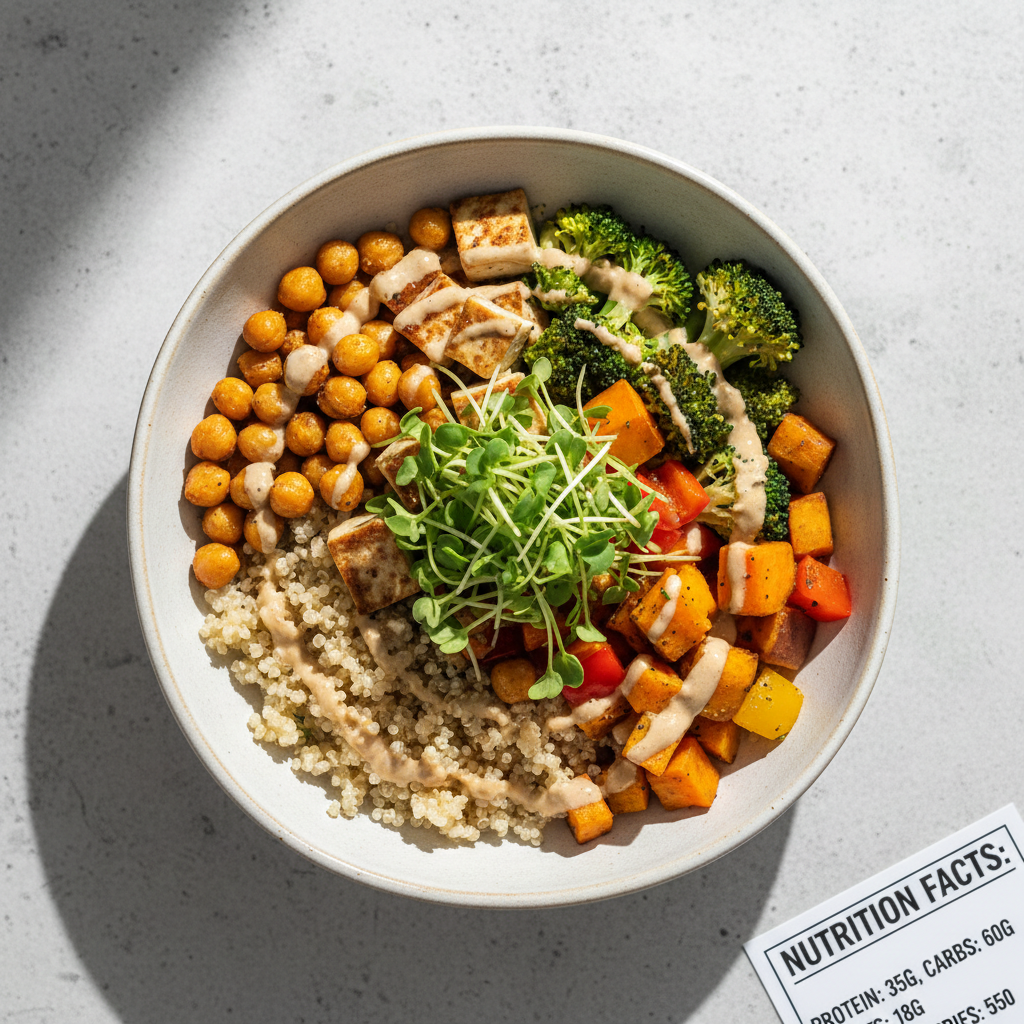
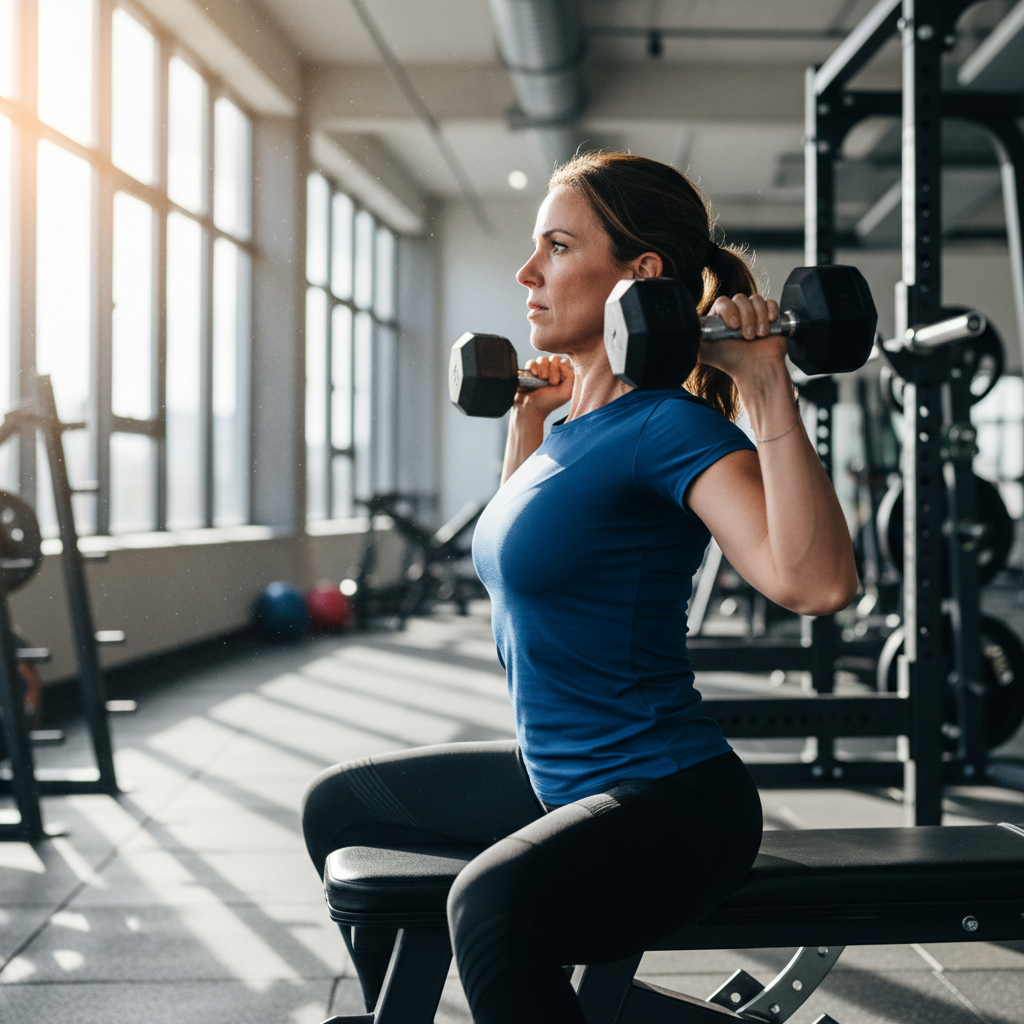
While microdosing GLP-1 for inflammation women over 40 offers a sophisticated biological advantage, it is not a standalone solution. These peptides act as a catalyst for health, but they require a stable physiological foundation to deliver lasting results. A protein-forward nutritional strategy is essential to support metabolic rate and prevent sarcopenia; this age-related muscle loss often accelerates during the menopausal transition and can undermine metabolic health. Resistance training further complements this by signaling the body to maintain lean tissue while the medication optimizes fat metabolism.
Equally vital is the management of cortisol. Chronic stress can counteract the anti-inflammatory benefits of the peptide, keeping the body in a state of guarded alarm. For women in Vancouver, leveraging our natural environment is a powerful component of expert guidance on menopause. Activities like forest bathing in the old growth of Stanley Park or rhythmic coastal walks along the Seawall are practical interventions that lower cortisol and work synergistically with your personalized wellness routines. By grounding medication in these disciplined habits, you ensure you are building sustainable longevity rather than relying on a temporary fix.
Managing inflammation through GLP-1 microdosing offers a promising pathway for women over 40 to reclaim their vitality. By focusing on smaller, targeted doses; you can address systemic issues without the intensity of traditional protocols. While this guide provides a solid foundation, every body responds differently to metabolic shifts. If you want expert help navigating your specific wellness journey, feel free to explore our Blog for further insights. Professional support can help you tailor these strategies to your unique health goals and lifestyle.