Menopause low libido is frequently driven by fluctuating estrogen levels that disrupt the gut microbiome and hormone regulation, leading to decreased sexual desire and physical discomfort. Women can reclaim their sex drive by improving gut health, managing vasomotor symptoms, and utilizing medical or lifestyle interventions to restore hormonal balance. This holistic approach addresses the root physiological causes to help rediscover intimacy after forty.
For many women over 40, the sudden dip in sexual desire feels less like a temporary phase and more like a fundamental loss of self. You might find yourself searching for a spark that used to be effortless, only to be met with physical fatigue or a frustrating lack of internal response. This shift is not a personal failure; it is a complex physiological transition that impacts your relationships and your overall sense of vitality. To reclaim your desire, you must look beyond surface level symptoms to the biological drivers underneath. We will examine the critical link between your gut health and your hormones, specifically exploring how the estrobolome influences estrogen levels. You will discover practical strategies to support your testosterone and brain chemistry through targeted supplements, lifestyle adjustments, and enhanced communication. It is time to move past the silence of midlife changes and rebuild a vibrant, intimate connection with yourself and your partner.
Understanding the Shift in Desire During Perimenopause and Menopause
If you have noticed a significant shift in your sex drive as you navigate your 40s or 50s, please know that your experience is both real and incredibly common. Research indicates that nearly half of women experience a decline in sexual desire during the transition to menopause, with some studies suggesting that up to 88 percent of women face some form of impaired sexual function. This change is often frustrating and isolating, yet it is a physiological response to a complex internal shift.
The standard narrative usually centers on the ovaries. We are told that as estrogen and testosterone levels drop, the brain pathways responsible for arousal and desire simply dim. While it is true that these hormones are essential for maintaining the health of vaginal tissues and triggering the brain's reward system, focusing solely on the decline of ovarian output offers an incomplete picture. In my work helping women through expert hormone guidance, I have found that hormones do not operate in a vacuum; they are part of a deeply interconnected system.
To truly understand menopause low libido, we must look at the gut microbiome, which acts as the silent conductor of the hormonal orchestra. Your digestive system is responsible for more than just breaking down food; it is a primary site for hormone metabolism and neurotransmitter production. If the gut is out of balance, the body cannot effectively regulate the very hormones intended to keep us feeling vibrant and connected. By utilizing personalized wellness routines that prioritize digestive health, we can begin to address the root causes of these shifts rather than just managing the symptoms. The connection between your gut and your hormones is the foundation for reclaiming your vitality during this transition.
The Estrobolome: Why Your Gut Health Dictates Your Libido

To understand why menopause low libido persists despite traditional interventions, we must look at the estrobolome. This is a specific subset of bacteria in your gut responsible for metabolizing and recycling estrogen. While the ovaries produce the hormone, the gut determines how much of it actually circulates in your body. When the liver processes estrogen, it sends it to the digestive tract to be eliminated. However, a healthy estrobolome produces an enzyme called beta-glucuronidase, which helps your body decide whether to excrete that estrogen or reabsorb it back into the bloodstream.
When the gut is in a state of dysbiosis, or bacterial imbalance, this recycling process breaks down. This often leads to two problematic scenarios for your sex drive:
Estrogen Dominance: If your gut bacteria are overactive, they may reabsorb too much estrogen, leading to symptoms like bloating, mood swings, and breast tenderness. It is difficult to feel connected or desirable when your body feels heavy and inflamed.
Estrogen Deficiency: Conversely, if the estrobolome is sluggish, your body may excrete too much estrogen. This contributes to the thinning of vaginal tissues and reduced natural lubrication, making physical intimacy feel like a chore or, worse, a source of pain.
My perspective on this connection is deeply personal. My history with Crohn’s disease was the catalyst for my expert hormone guidance, as it taught me that the gut is never a closed system. Chronic inflammation in the digestive tract ripples outward, affecting every other physiological function, including sexual health. If the gut is compromised, your hormones will be too, regardless of what your ovaries are doing.
In my work with women over 40, we use personalized wellness routines to stabilize this internal environment. We focus on healing the gut lining and balancing bacterial diversity to ensure the estrobolome is supporting your libido rather than sabotaging it. If you are struggling to find your spark again, I invite you to schedule a consultation in Columbus to explore how your digestive health may be the missing piece of your hormonal puzzle.
Common Symptoms of Low Estrogen Affecting Sexual Wellness
The physical manifestations of declining estrogen often present as significant barriers to intimacy. Many women search for relief from vaginal dryness and painful sex, symptoms that are collectively categorized as Genitourinary Syndrome of Menopause (GSM). This condition occurs because the tissues of the vaginal wall and urinary tract are estrogen dependent. When levels drop, these tissues become thinner, less elastic, and lose their natural moisture.
When physical intimacy causes discomfort, it shifts from an act of connection to a chore or a source of anxiety. This creates a neurological feedback loop. The brain, prioritizing your safety, begins to associate sexual activity with pain rather than pleasure. Over time, your nervous system may subconsciously trigger a shut down response to avoid anticipated distress. This protective mechanism is a major, often overlooked component of menopause low libido.
Addressing the physical discomfort is essential to breaking this cycle. Through expert hormone guidance and personalized wellness routines, we can work to restore tissue health and recalibrate the body’s response to intimacy. By managing the underlying inflammation and hormonal depletion, we move away from pain and back toward a state of physical ease and connection.
The Role of Testosterone and Brain Chemistry in Midlife Desire

While estrogen dominates the conversation around menopause low libido, testosterone plays an equally vital role. Often misunderstood as a purely male hormone, testosterone is a primary driver of female sexual desire and physical arousal. It fuels the seeking behavior and the body's responsiveness to touch. When testosterone levels dip, many women describe feeling a sense of apathy or a loss of spark that extends beyond the bedroom. This decline impacts the brain's reward centers, making the idea of intimacy feel less like a pleasure and more like an item on a to-do list.
However, the ability to feel desire is also a function of your brain chemistry, which is inextricably linked to your gut health. Your neurotransmitters, specifically dopamine and serotonin, are the chemicals responsible for pleasure, reward, and mood stability. Approximately 90 percent of your body’s serotonin is produced in the digestive tract, not the brain. If your digestive system is sluggish or inflamed, your production of these feel-good chemicals falters.
This chemical imbalance is why so many women in online forums like menopause libido reddit report a profound lack of motivation and a persistent low mood. It is not just in your head; it is a physiological response to a gut that is struggling to support your nervous system. Through expert hormone guidance, I help women understand that boosting libido requires more than just replacing a single hormone. We must optimize the gut environment to ensure your body can produce the neurotransmitters necessary for motivation and joy. By incorporating personalized wellness routines that support both testosterone health and gut function, we can restore the neurochemical drive that makes intimacy feel like a rewarding part of life again.
How to Increase Libido During Perimenopause Naturally
Reclaiming your drive starts with what is on your plate. Instead of focusing on restrictive dieting, I recommend the crowding out method. By filling your meals with anti-inflammatory whole foods, you naturally leave less room for the processed sugars and refined seed oils that trigger gut dysbiosis and systemic inflammation. To support the estrobolome, prioritize prebiotic fibers found in Jerusalem artichokes, garlic, and leeks. Cruciferous vegetables like Brussels sprouts, broccoli, and kale are particularly effective; they contain compounds that help the liver and gut process estrogen efficiently, ensuring that menopause low libido isn't exacerbated by poor hormonal clearance.
Protein is another non-negotiable component of expert hormone guidance. For women over 40, protein provides the essential amino acids necessary for hormone synthesis and helps stabilize blood sugar. When blood sugar fluctuates, it triggers a spike in insulin and cortisol, which further dampens desire. I often work with clients to ensure they are meeting specific protein thresholds to support their metabolism and lean muscle mass. This nutritional foundation is a key element of the personalized wellness routines I design to help women feel physically strong and hormonally resilient.
Addressing the psychological side of desire requires managing cortisol, often referred to as the libido stealer. When cortisol is chronically high, your body enters a survival state, effectively shutting down the pathways responsible for arousal. Incorporating nervous system regulation is essential to signal safety to your brain. I suggest practical local options, such as forest bathing or a mindful walk through High Banks Metro Park or the Park of Roses here in Columbus. Nature immersion has been shown to lower heart rate and cortisol levels significantly, creating the internal calm necessary for intimacy to resurface. If you feel overwhelmed by these physiological shifts, you can schedule a consultation in Columbus to build a holistic roadmap tailored to your specific hormonal needs.
Supplements and Lifestyle Adjustments for Menopausal Libido
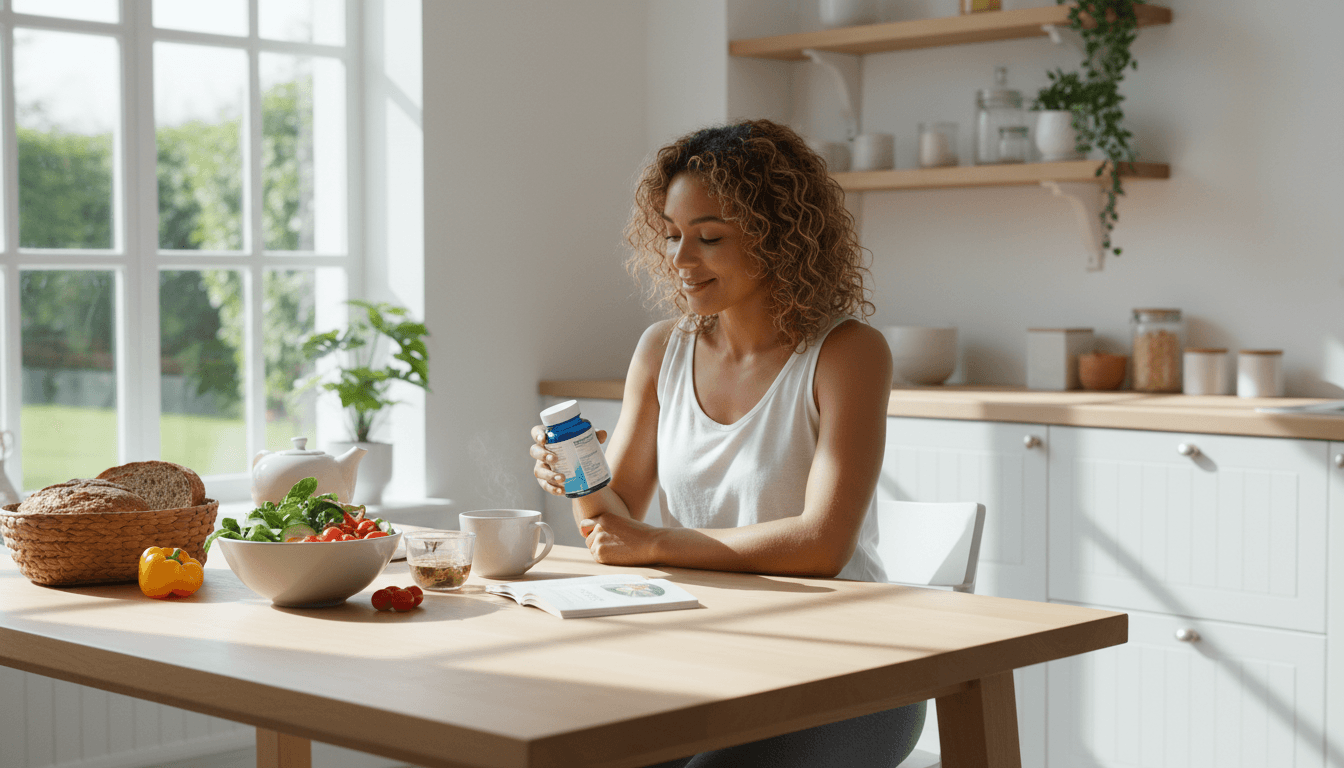
While dietary shifts are foundational, targeted supplements can act as powerful allies in managing menopause low libido. Adaptogens like Ashwagandha are particularly effective for regulating the HPA axis; they help lower the cortisol that often overrides sexual desire during stressful transitions. Maca root is another evidence-based option. Research suggests it may improve sexual function and arousal by supporting the endocrine system without directly altering estrogen levels, making it a versatile choice for many women.
However, no supplement can overcome a compromised digestive tract. This is a core pillar of my expert hormone guidance. If your gut is inflamed or your microbial diversity is low, you will not effectively absorb these nutrients. Integrating specific probiotics, particularly those containing Lactobacillus strains, supports the estrobolome in its critical task of hormonal clearance. This ensures that the hormones your body produces are being recycled and utilized efficiently rather than stagnating or being excreted prematurely.
Supplement/Treatment | Primary Function | Gut Connection |
|---|---|---|
Ashwagandha | Lowers cortisol and stress | Reduces stress-induced gut permeability |
Maca Root | Supports arousal and mood | Requires healthy digestion for absorption |
Probiotics | Balances the estrobolome | Directly improves hormonal recycling |
Vaginal Estrogen | Treats localized dryness/GSM | Works independently of digestive tract |
For physical discomfort, it is important to distinguish between systemic and localized treatments. While systemic Hormone Replacement Therapy (HRT) addresses broader symptoms like hot flashes and mood, localized vaginal estrogen or non-hormonal hyaluronic acid inserts target the thinning tissues of GSM directly. These localized options provide relief where it is needed most without the same systemic impact. My approach through personalized wellness routines emphasizes that these tools work best when built upon a stable gut foundation. If you are ready to determine which supplements are right for your unique biology, I encourage you to schedule a consultation in Columbus to create a targeted protocol.
Reclaiming Intimacy: Communication and Movement

Navigating the shifts in desire requires a shift in the dialogue within your relationship. When intimacy feels strained, open communication about the physiological reality of perimenopause is essential. Your partner needs to understand that a decline in drive is a biological event, not a reflection of your feelings for them. Describing physical changes, such as the symptoms of GSM or the fatigue associated with gut dysbiosis, can transform a potentially sexless marriage into a shared health journey. This transparency fosters the emotional safety necessary for physical intimacy to return.
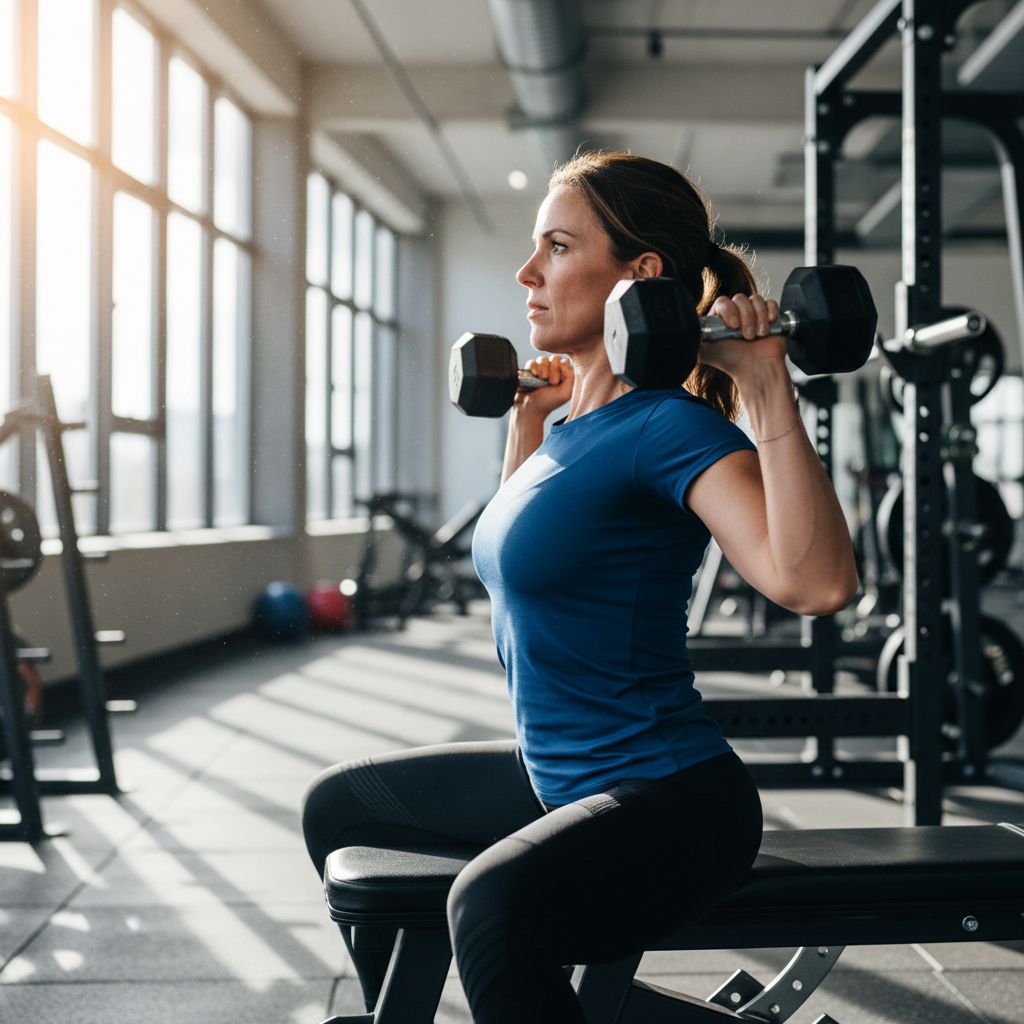
Addressing menopause low libido involves more than just biology; it requires reclaiming the space you occupy in your own body. Movement is a powerful tool for this restoration. While cardio has its place, strength training is particularly transformative for women over 40. Building lean muscle mass improves metabolic health and, crucially, increases blood flow to the pelvic region. This localized circulation supports tissue health and enhances physical responsiveness. Beyond the biology, lifting weights builds a sense of physical agency and body confidence that directly counters the sense of disconnect many women feel during this transition. By integrating intentional movement into your personalized wellness routines, you are proactively signaling to your nervous system that your body is strong and capable. This holistic approach, combined with expert hormone guidance, provides the foundation for a renewed sense of self. If you are ready to bridge the gap between your physical health and your intimate life, I invite you to schedule a consultation in Columbus.
Understanding the link between your gut health and hormone balance is a vital step toward reclaiming your spark during menopause. By prioritizing your digestive system, you can naturally influence the hormones that drive your energy and desire. If you find yourself wanting expert help to navigate these physical shifts with more ease, you might consider exploring my coaching services. Together, we can create a sustainable plan that supports your body and restores your sense of self during this transition.