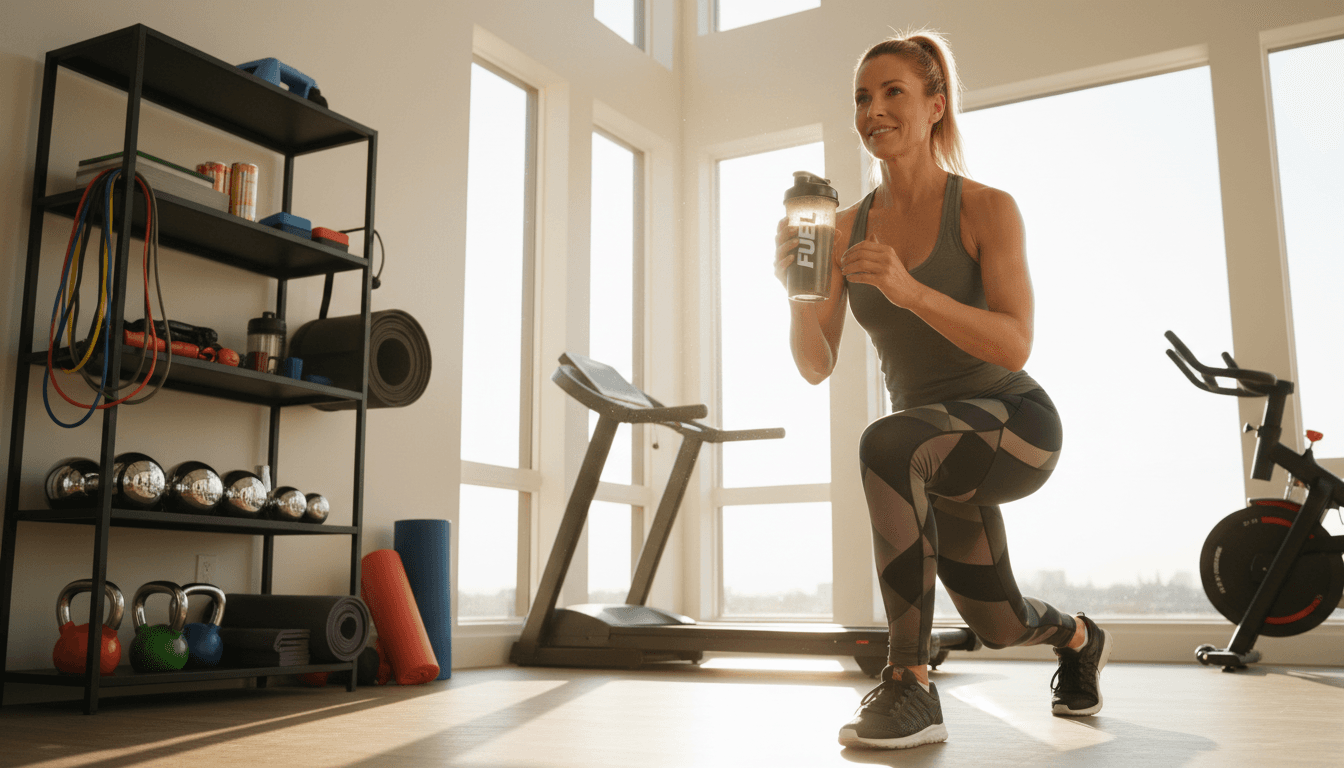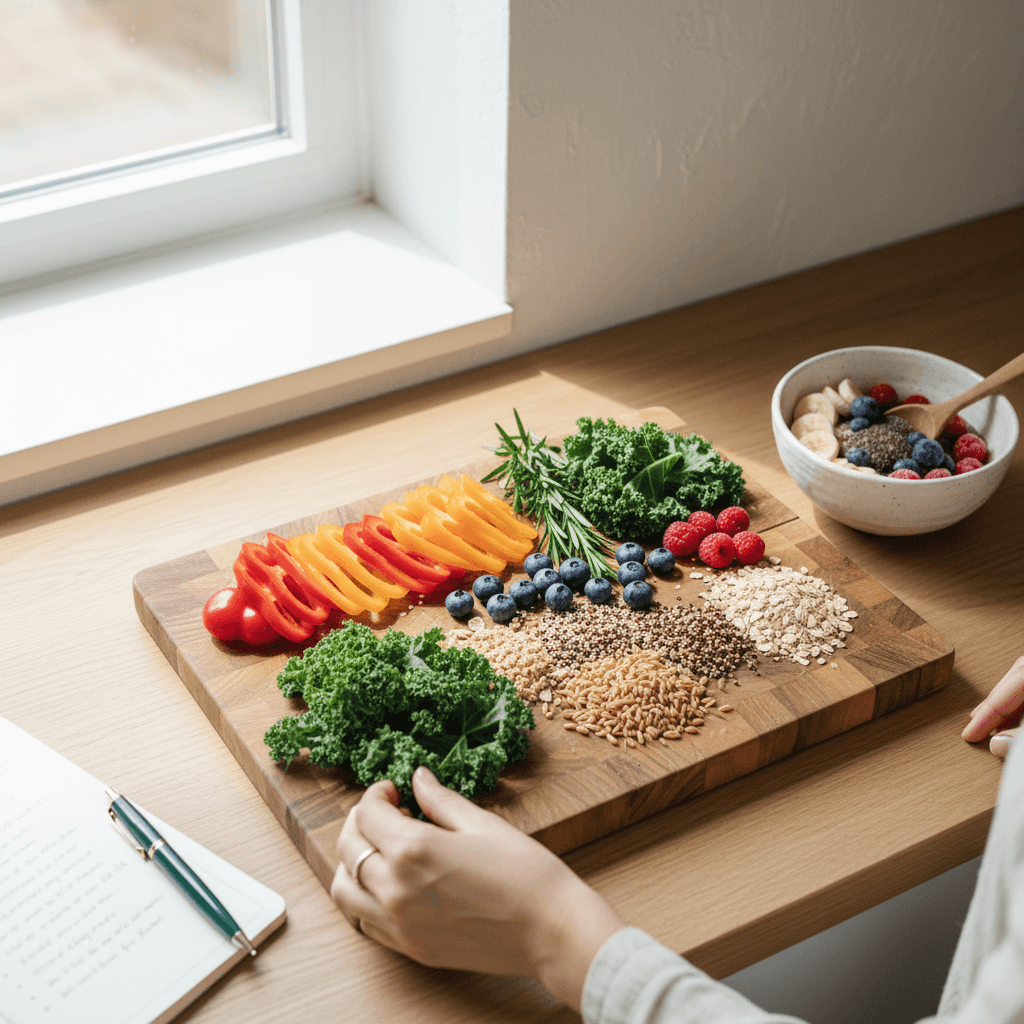
Women should aim for 1.2 to 1.6 grams of protein per kilogram of body weight daily to maintain muscle mass and support metabolic health. Prioritizing adequate protein for women over 40 is critical for preventing muscle loss and bone density decline as hormonal levels shift; this intake is most effective when paired with regular resistance training. Distributing this protein across all meals helps manage hunger and ensures optimal muscle synthesis throughout the day.
Many women notice that the strategies which supported their strength and energy in their thirties suddenly feel ineffective as they navigate the transition into their forties and beyond. You might experience a frustrating loss of muscle definition, a stalling metabolism, or a sense that your body is no longer responding to exercise in the way it once did. These changes are deeply rooted in our shifting hormonal landscape, specifically the decline of estrogen, which fundamentally alters how we process nutrients and maintain lean tissue. Prioritizing protein is not merely a fitness trend; it is a clinical necessity for preserving metabolic health and functional longevity. This guide explores the intersection of hormonal shifts and nutritional needs. We will define your specific protein requirements, address the common gut health hurdles that can arise with increased intake, and outline how to distribute your consumption to maximize muscle protein synthesis.
Why Protein Needs Change After 40: The Estrogen and Muscle Connection
As women enter their 40s and move into perimenopause, the physiological landscape of the body undergoes a significant transformation. One of the most critical, yet often overlooked, shifts involves the relationship between estrogen and skeletal muscle. Estrogen is not merely a reproductive hormone; it is a powerful regulator of muscle protein synthesis. As levels begin to fluctuate and eventually decline, the body enters a state known as anabolic resistance. This means the internal machinery becomes less efficient at utilizing dietary protein for women over 40 to repair and build lean tissue.
During this phase, many women begin to experience sarcopenia, which is the progressive, age-related loss of muscle mass and strength. While often associated with the elderly, this process accelerates much earlier for women due to the loss of estrogen's protective effects. It is vital to understand that muscle is far more than an aesthetic goal. It serves as your primary metabolic engine; it is the tissue responsible for burning the majority of your daily calories and managing blood glucose levels. Preserving it is essential for optimizing health and metabolism throughout the second half of life.
Standard nutritional guidelines often fail to account for these hormonal shifts. The current Recommended Dietary Allowance (RDA) for protein is set at a modest 0.8 grams per kilogram of body weight. However, this figure represents a baseline floor designed to prevent clinical deficiency in a sedentary population; it is not a ceiling for optimal health. For women over 40, relying on the RDA can lead to a gradual loss of vitality and metabolic function. To overcome anabolic resistance and support gut health and women’s hormones, shifting from "adequate" to "optimal" protein intake is a foundational step in any personalized wellness routines.
Calculating Your Target: How Much Protein per Day for Menopause and Beyond

To bridge the gap between surviving and thriving, we must shift from generic guidelines to specific, data driven targets. Research indicates that for most women over 40, the optimal range is 1.2 to 1.6 grams of protein per kilogram of body weight. If you prefer using pounds, a practical rule of thumb is to aim for 0.7 to 1.0 grams of protein per pound of your ideal body weight. This calculation ensures you are providing enough substrate to overcome anabolic resistance and support your metabolic health.
For a woman whose goal weight is 150 pounds, this equates to roughly 105 to 150 grams of protein daily. Many clients ask how to get 100g of protein a day without feeling constantly full. The key is prioritizing high quality sources at every meal rather than trying to catch up at the end of the day.
Meal | Protein Source Example | Protein (Approximate) |
|---|---|---|
Breakfast | 1 cup Greek yogurt with 2 tbsp hemp seeds | 28g |
Lunch | 5 oz grilled chicken breast or turkey | 35g |
Snack | 1 scoop clean grass-fed whey or pea protein | 20g |
Dinner | 5 oz wild-caught salmon or lean beef | 30g |
Total |
| 113g |
Women in Columbus who are active or incorporating resistance training into their personalized wellness routines should lean toward the higher end of the 1.6g/kg range. Higher intake is necessary to combat the metabolic slowdown often attributed to menopause and to protect bone density. Increasing protein for women over 40 is a foundational strategy for optimizing health and metabolism, providing the necessary tools for the body to repair and maintain vital lean tissue.
The Gut Health Hurdle: Why You Might Struggle to Digest More Protein

Hitting a target of 100 grams or more is an excellent goal, yet for many women, the transition is not always seamless. A common complaint I hear in my practice is a feeling of heaviness or persistent bloating after increasing protein for women over 40. This discomfort is not a sign that you should return to a low protein diet; rather, it is a signal that your digestive capacity needs specific support.
As we age, the production of hydrochloric acid (HCL) in the stomach and digestive enzymes in the small intestine naturally begins to wane. HCL is the primary tool for denaturing proteins, which is the process of unfolding them so enzymes can break them into absorbable amino acids. When stomach acid is low, protein sits in the digestive tract longer than it should. This often leads to fermentation and gas, preventing you from actually optimizing health and metabolism because the nutrients never reach your muscle cells.
For those managing conditions like Crohn’s disease or IBS, the stakes are even higher. In these cases, the integrity of the gut lining and the diversity of the microbiome dictate how well you tolerate specific protein sources. A client with a sensitive gut might struggle with a concentrated whey isolate but thrive on slow cooked meats or collagen peptides that are already partially broken down. This is why gut health and women’s hormones must be addressed in tandem; if the gut is inflamed, you cannot efficiently absorb the building blocks required to balance your endocrine system.
To support this transition, focus on the cephalic phase of digestion. Simply sitting down and chewing each bite until it is liquid can stimulate the initial release of salivary enzymes. If you still feel sluggish after a protein rich meal, try sipping warm ginger tea. Ginger contains zingibain, a proteolytic enzyme that naturally aids in breaking down proteins. These small, intentional adjustments are vital components of personalized wellness routines that ensure your body actually utilizes the high quality fuel you are providing.
Protein Distribution: The 30 Gram Rule for Muscle Protein Synthesis
Once you have addressed your digestive capacity, the next step in optimizing health and metabolism is mastering the timing of your intake. A common mistake is backloading protein at dinner while starting the day with a low protein breakfast. This approach fails to provide the consistent stimulus necessary for muscle protein synthesis (MPS). Research indicates that for the maturing female body, there is a "sweet spot" of 30 to 40 grams of protein per meal. This specific amount is required to overcome anabolic resistance and signal the body to repair and build muscle tissue rather than just maintaining it.
The key to this signal is an essential amino acid called leucine, which acts as the metabolic "on switch" for building lean mass. Because our sensitivity to leucine decreases with age, small snacks or "grazing" on protein rarely reach the threshold needed to trigger MPS. To maximize results within personalized wellness routines, I recommend a balanced distribution:
Meal | Objective | Protein Target |
|---|---|---|
Breakfast | Break the overnight catabolic (muscle-wasting) state | 30-35g |
Lunch | Maintain muscle protein synthesis and satiety | 30-35g |
Dinner | Support overnight repair and hormone production | 30-40g |
Prioritizing high leucine sources is the most efficient way to hit this trigger. Foods such as grass fed whey, Greek yogurt, and chicken breast are particularly effective for providing the concentrated amino acid profile required. By spreading your protein for women over 40 evenly across the day, you ensure your metabolic engine is running at peak capacity from morning until night.
Best Protein Sources for Women Over 40: Whole Foods vs Supplements

Understanding these targets is the first step; the next is selecting sources that your body can actually use. High quality animal proteins, such as wild caught fish, organic poultry, and grass fed beef, are naturally complete. They contain all essential amino acids in the concentrations required to trigger muscle repair. Crucially, these sources are more bioavailable than plant alternatives. For women navigating gut health and women’s hormones, bioavailability ensures that the amino acids actually reach the bloodstream instead of causing fermentative bloating in the colon.
Source Type | Examples | Key Benefit for Over 40s |
|---|---|---|
Animal Protein | Grass-fed beef, wild salmon, eggs | High bioavailability; naturally complete amino acid profile |
Plant Protein | Lentils, chickpeas, tempeh | High fiber; requires strategic combining for leucine |
Clean Supplements | Sprouted pea, grass-fed whey | Efficient way to hit meal targets without digestive heaviness |
Plant based options like lentils, quinoa, and hemp seeds offer valuable fiber but are often lower in leucine. To hit the 30 gram threshold required for optimizing health and metabolism, you would need to consume significantly larger volumes of plant foods. This can be taxing for a sensitive digestive system. I often recommend combining sources or choosing fermented options like tempeh to improve absorption and meet leucine targets without excessive caloric intake.
When whole foods aren't enough, finding the best protein powder for menopause involves looking for minimal ingredient profiles to avoid gut irritants like artificial sweeteners or gums. A clean, grass fed whey isolate is excellent for those who tolerate dairy because of its high leucine content. For a plant based approach, sprouted pea or rice proteins are easier on the gut and provide a more complete amino acid profile than standard soy powders. These additions help maintain personalized wellness routines even during busy schedules in Columbus.
Common Protein Myths: Absorption Limits and Kidney Health
Misunderstandings about protein for women over 40 often prevent them from reaching the targets necessary for optimizing health and metabolism. A pervasive myth suggests that the human body can only absorb 20 to 30 grams of protein in a single sitting. In reality, your gut is highly efficient at absorption; any protein consumed beyond what is needed for immediate muscle repair is utilized for other vital biological functions. These include the synthesis of hormones, the maintenance of the gut lining, and the production of immune cells. While muscle protein synthesis may have a saturation point per meal, the remaining amino acids are never wasted.
Another common concern involves kidney health. While individuals with pre-existing chronic kidney disease must monitor their intake, current research confirms that higher protein diets do not damage healthy kidneys. In fact, for women navigating gut health and women’s hormones, increased protein intake is protective. It supports bone mineral density by enhancing calcium absorption and providing the structural matrix for bone tissue. Integrating these higher targets into personalized wellness routines provides the satiety and metabolic support necessary to maintain a healthy weight without compromising renal function.
Personalized Nutrition Coaching in Columbus: Optimizing Your Metabolism
General guidelines provide a roadmap, but true metabolic success depends on tailoring those numbers to your unique biology. In Columbus, I work with women to move beyond nutritional guesswork. Navigating gut health and women’s hormones requires a nuanced approach, especially when managing digestive sensitivities alongside perimenopausal shifts.
At Eileen Pennington Coaching, I utilize metabolic testing to determine how your body utilizes fuel, allowing us to build personalized wellness routines that account for your specific activity level and recovery capacity. Increasing protein for women over 40 is a biological necessity for longevity. By optimizing health and metabolism through these bio-individual strategies, we ensure that "middle age spread" remains a challenge you can overcome rather than an inevitable fate.
Prioritizing your protein intake is one of the most effective ways to support your metabolism and hormonal health as you navigate the changes of your 40s. While these guidelines provide a strong foundation, every woman’s body and digestive system responds differently. If you want expert help tailored to your unique biology and lifestyle goals, I am here to support you. You can explore my Services to see how we can design a personalized nutrition plan that works for your body.